
ISPM 15: what your pallet needs for export.
An untreated or unstamped pallet can hold up your cargo at the destination port. This guide explains the ISPM 15 standard simply and what to check before exporting.
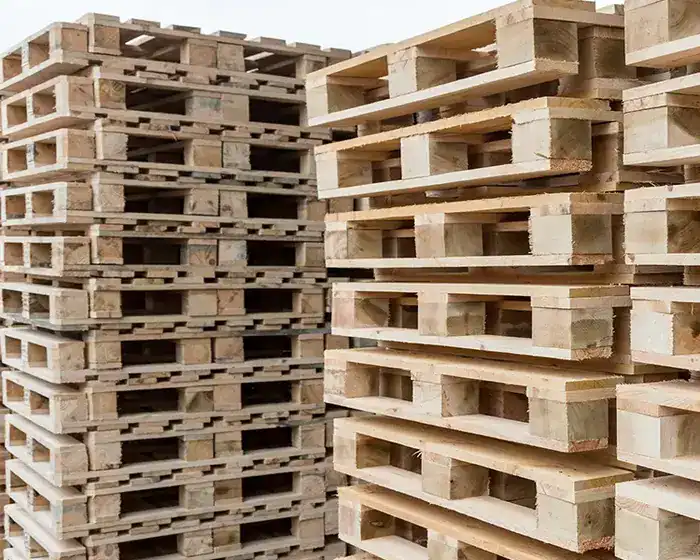
Wood can carry insects and pests from one country to another. To prevent this, international trade requires wood packaging, including pallets, to be treated and to carry a stamp proving it. That requirement is ISPM 15.
What is ISPM 15?
The ISPM 15 is International Standard for Phytosanitary Measures No. 15. It regulates the wood packaging used in international trade: pallets, crates, boxes and dunnage. Most countries apply it, so complying is practically mandatory for exporting.
In Peru, SENASA (the National Agrarian Health Service) is the authority that oversees compliance with this standard.
Which pallets must comply with ISPM 15?
The standard applies to packaging made of solid wood. It does not apply to:
- Plastic or metal pallets.
- Processed wood, such as plywood, particleboard or OSB.
- Very thin wood pieces, 6 mm thick or less.
If your cargo ships on wooden pallets, such as EAN or box-type pallets, they need to be treated and marked.
What does heat treatment involve?
The most common method is heat treatment, identified by the abbreviation HT . It consists of heating the wood until its core reaches a minimum temperature of 56 °C for at least 30 continuous minutes. This eliminates any pests the wood may carry.
The standard also recognizes other methods, but heat treatment is the most widespread because it uses no chemicals and is accepted by every destination.
Treatment is applied before loading. If you plan your export ahead, you can arrange treated pallets together with the rest of your shipment.
What does the ISPM 15 stamp mean?
Every treated pallet carries a stamp that allows compliance to be verified at the destination port. The stamp includes:
| Stamp element | What it indicates |
|---|---|
| IPPC symbol | The wheat-ear logo that identifies the international standard |
| Country code | PE, for Peru |
| Producer code | The registration number of whoever treated the pallet |
| Treatment code | HT for heat treatment |
Pre-export checklist
- Confirm with your buyer the pallet size required at destination. If in doubt, see our guide on pallet sizes.
- Check that pallets have visible treatment and stamps.
- Calculate the number of pallets in advance so you don't delay the shipment.
- If your client asks for it, add fumigation or identification seals.
Treated pallets for your export
At Grupo Spectra we supply pallets with heat treatment under the ISPM 15 standard, supervised by SENASA, including box-type pallets for blueberries: up to 25,000 per month. See the full service on our page for SENASA heat treatment.
About the ISPM 15 standard
Quick answers on this topic.
What does ISPM 15 mean?
Who oversees ISPM 15 in Peru?
What temperature does heat treatment require?
Do plastic pallets need ISPM 15?
What does HT on the stamp mean?
Related solutions on this topic
Need treated pallets?
Get a quote for box-type or EAN pallets with heat treatment for your next export.