
Pallet sizes: EAN, European and American. Which one to choose.
Choosing the right pallet size prevents wasted warehouse space, unstable loads and export problems. Here are the standard sizes and when each one makes sense.
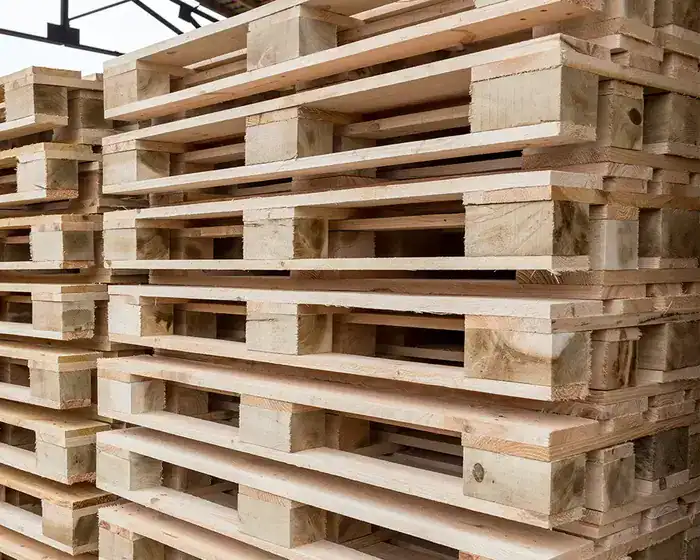
There is no single pallet size worldwide. Each region adopted a different standard based on its trucks, containers and racks. That's why, before buying pallets, it pays to know which size your supply chain and your clients' supply chains use.
The most common pallet sizes
The international standard ISO 6780 recognizes six pallet sizes. In Peru and Latin America, three are used most:
| Pallet type | Size | Where it is used |
|---|---|---|
| EAN or universal | 1.20 × 1.00 m | Warehouses, distribution centers and shipments in Peru and Latin America |
| European (EUR) | 1.20 × 0.80 m | Exports to Europe and operations using the European standard |
| American | 1.219 × 1.016 m (48 × 40 inches) | Exports to the United States and Canada |
| Asian | 1.10 × 1.10 m | Trade with Asia |
At Grupo Spectra we mainly work with the 1.20 × 1.00 m EAN pallet, the one most requested by warehouses, logistics operators and industrial plants in Peru.
1.20 × 1.00 m EAN pallet
The EAN pallet is the logistics standard in Peru. Its size makes good use of the most common trucks and storage racks, and it is what most corporate clients request to move finished goods, supplies and merchandise.
You can get it in three ways: new, built to spec; semi-new or second-use, selected and refurbished; or box-type, for fruit exports. To compare the first two options, see our guide on new or used pallets.
1.20 × 0.80 m European pallet
The European pallet is narrower than the EAN. It is used when cargo travels to Europe or when the end client works with European-standard racks and transport. If you export to that market, confirm the exact size with your buyer before building your load.
48 × 40 inch American pallet
This is the standard in the United States and Canada. It measures 1.219 × 1.016 m, almost the same as the EAN, but that small difference matters when cargo is received in automated warehouses. If your destination is North America, it's best to build the pallet to the exact size your client requires.
Other details to define besides size
Size is only the first detail. For the pallet to work in your operation, also define:
- Load per pallet: how much the load on top weighs. A pallet for light boxes is not the same as one for 1,000 kg bags.
- Entry points: a 4-way pallet lets a forklift lift it from all four sides; a 2-way pallet, from only two.
- Use: warehouse, domestic shipping or export. If you are going to export, the pallet needs heat treatment under the ISPM 15 standard.
- Volume and frequency: whether you need a one-time order or a monthly supply.
If you don't have a specification sheet, tell us what load you will move and how you handle it. With that, we'll recommend the right pallet.
What pallet size do I need?
As a rule of thumb: if your cargo moves within Peru, the 1.20 × 1.00 m EAN pallet is the safest option. If you export, use the size your client at destination requires and don't forget heat treatment. And if your operation is special, it's best to have the pallet custom-built.
At Grupo Spectra we supply up to 10,000 new EAN pallets per month, with delivery within 4 to 5 days of the purchase order in Lima and northern Peru. See all options on our page for wooden pallets.
About pallet sizes
Quick answers on this topic.
What is the standard pallet size in Peru?
How big is a European pallet?
How big is an American pallet?
Can you build custom-size pallets?
Related solutions on this topic
Need EAN or custom pallets?
Get a quote from 250 units with delivery within 4 to 5 days in Lima and northern Peru.